MANUFACTURING POUCHES FROM BLACK FABRIC
ATTENTION TO DETAIL
Every point and word in this text is mission-critical. Perfect results depend on everything, as we are not merely sewing fabric—we are sewing conductive material. Every connection must be electrically sound.
To achieve high-tier shielding, connection points must be dense and executed using a specialized flat-felled seam (lap seam) logic, effectively doubled.
Contact Physics: The Electrical Wiring Analogy
To understand why seam technology is critical, imagine you are connecting two electrical wires:
If you don't strip the insulation, contact is impossible, even if you bind them tightly. This is the first mistake rookies make: they add EXTERNAL FABRIC (lining) between the layers of SHIELDING fabric in the seam... it doesn't work that way.
The Algorithm: Construct the pouch using ONLY the SHIELDING fabric first. Only AFTER it is complete can you encase it in protective external fabric.
If you strip the insulation but just lay two round wires side-by-side and wrap them in tape, you get sparks and heat because the contact surface is too small. Energy cannot pass through properly. That’s why wires are TWISTED TIGHTLY IN A SPIRAL!
The same applies to fabric. A single stitch line is insufficient for operational results. This is why a DOUBLE FLAT-FELLED SEAM is mandatory to ensure maximum surface contact between conductive fibers.
Making an extension cord out of several scraps creates dangerous resistance points at every junction. Whenever possible, sew the entire volume from a single piece—this ensures maximum and uniform conductivity across the entire surface of the pouch.
FAQ: Critical Queries
"How do I calculate the required fabric?"
Measure your bag's three parameters: width, height, and thickness (x y z). Sketch a standard rectangular prism on paper. Remember that the fabric roll's maximum width is 55 cm. Factor in seam allowances and mounting points within the bag.
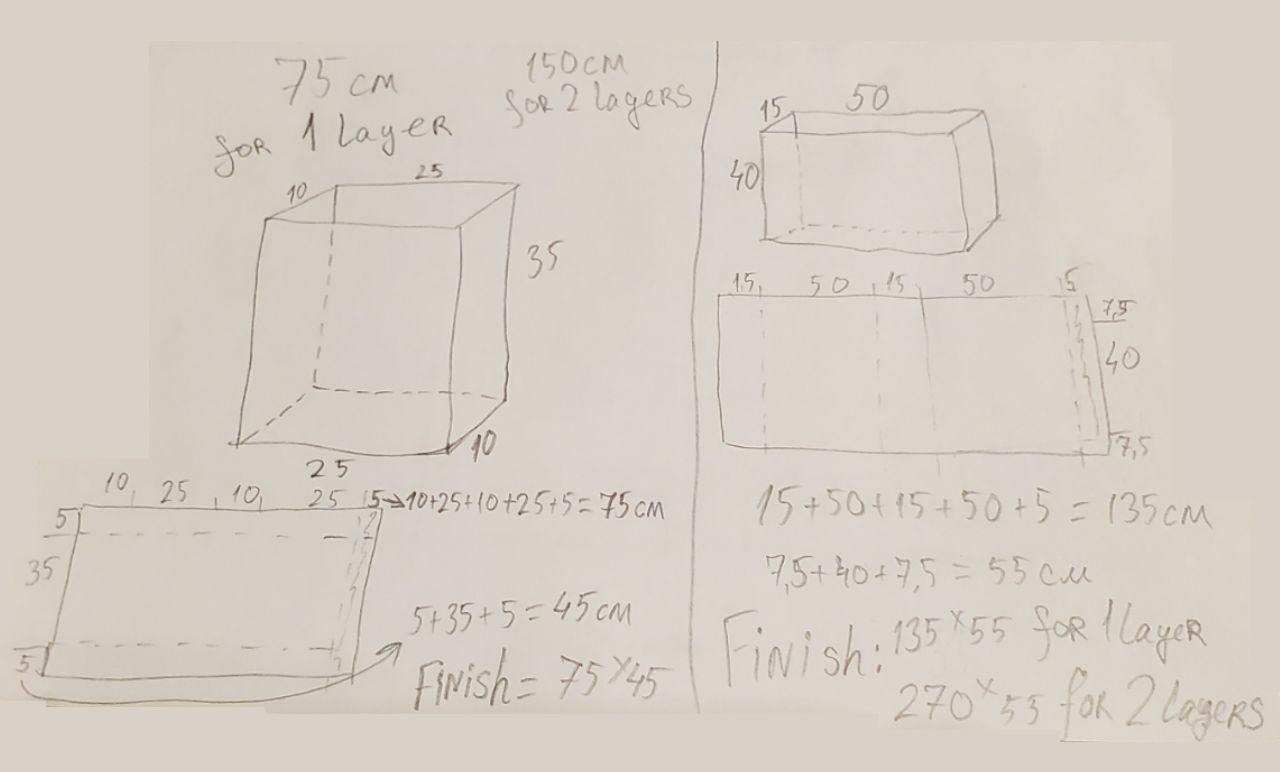 Calculation methods for flat and volumetric pouches
Quick method to convert a volumetric pouch to a flat layout:
- Width: Bag width + 1 side panel thickness.
- Height: Bag height + half of the bottom thickness + distance from the top edge to the zipper or fold.
"How many layers are required for a reliable result?"
Shielding principles aren't a simple "box logic." If you place a circular RF tag inside a metal bucket, there is still a chance the gates detect it if the tag is in a specific superposition parallel to the pedestals.
Experimental results at maximum power:
- 1 Layer: Near-zero chance of leakage for a rational user, provided you don't press against the gate and aren't carrying a massive suitcase.
- 2 Layers: Recommended for "suitcases" and bulk extractions. Neutralizes even the most overpowered pedestals.
Custom Tailoring & Service
If you decide against DIY manufacturing, you can order a professional solution. Everything is CUSTOM BUILT by my master seamstress.
Check the catalog for ready-made bags and stock availability.
Estimated labor costs:
- Simple pouch (lined): 500 - 1000 RUB
- Modified retail bag: 1000 - 1500 RUB
- Complex backpack overhaul: 1500 - 2500 RUB
Don't skimp when professionals are available. A local "super-seamstress" will fail—they don't understand shielding specs. I calculate exact fabric consumption for every order—that's part of the service.
Technical Macro-Analysis of Seams
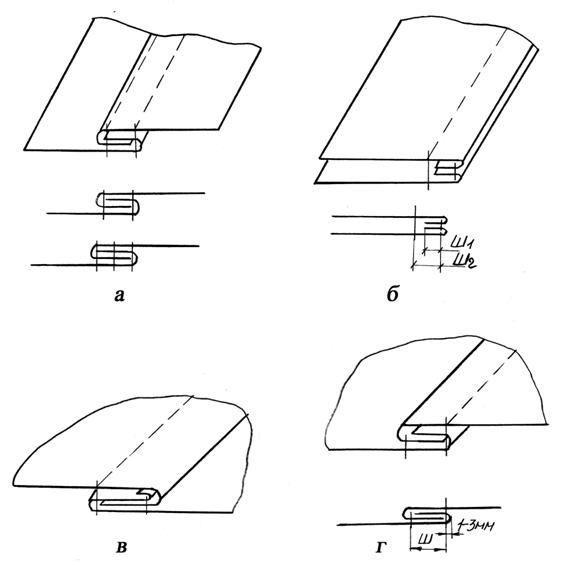
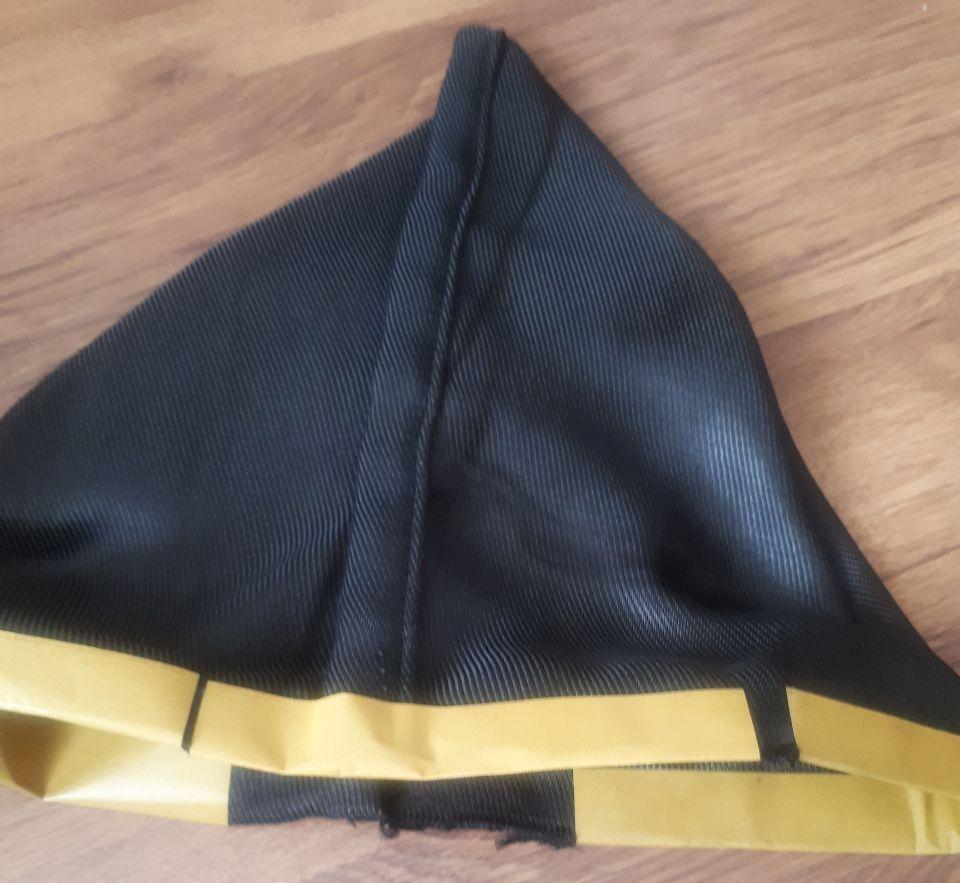
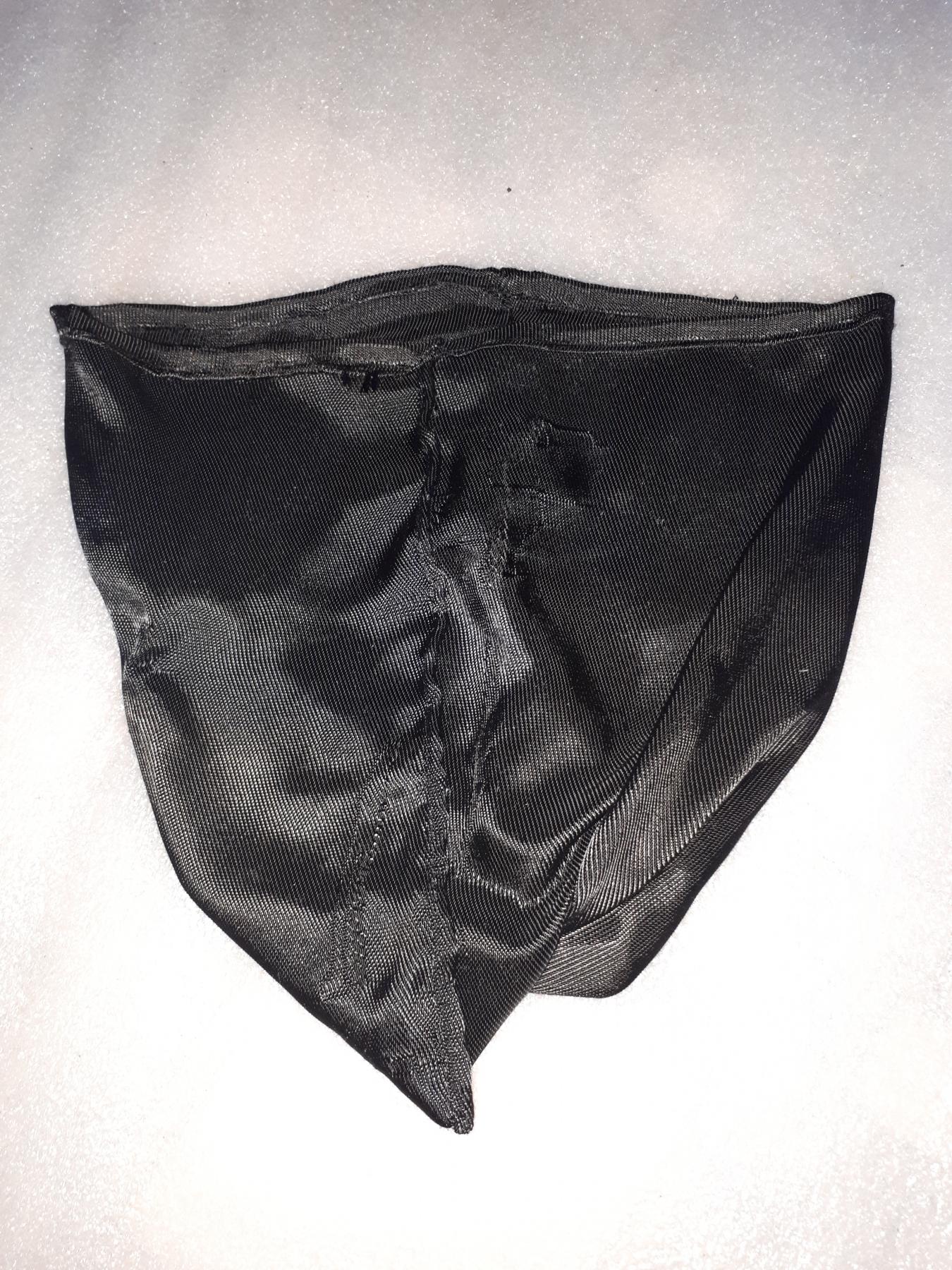
Remember: Theory is 90% of success. If you're ready to learn and execute quality work—welcome to the professional ranks!