PERSONAL FIELD REPORT: BAGS
For the first time in years of operation, I have decided to share my personal experience with shielding fabric bags—both professionally modified booster bags and those used in their stock configuration.
Long ago, I shared a photo with our community and inner circle showing the sheer volume of bags I had in my inventory.
Every bag served a specific purpose: maximizing stealth and operational security. This collection is from my earlier days, so don't judge the fashion too strictly. I always maintained a formal/business style (overcoats, trousers, dress shoes)—a high-tier tactical choice. Combined with spectacles and a slightly disheveled hairstyle, it crafted the aura of a completely non-threatening asset: a harmless IT drone or office plankton.
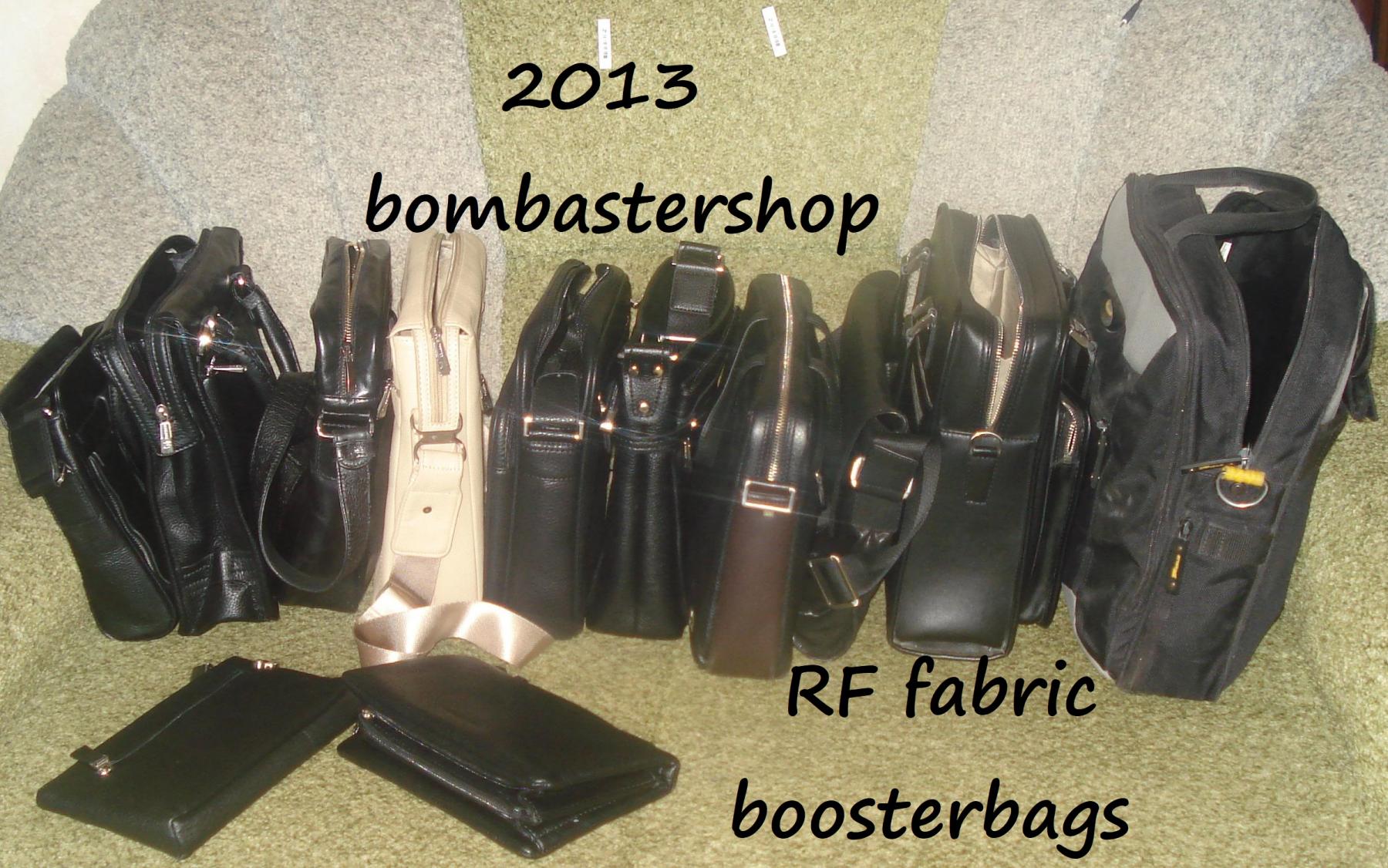
OPERATIONAL PROTOCOL:
- The broader your inventory, the lower your signature. Frequent visits to the same targets require different gear. Rotating your kit allows you to experiment with various visual personas—from corporate clerk to "athleisure" hiker—ensuring you remain an inconspicuous blip on the security radar.
Entering a store for a simple t-shirt with a massive pack or an oversized hiking rucksack is a rookie mistake; it triggers immediate red flags. However, when the mission calls for a "heavy haul" or bulky items, you need gear that matches the target's dimensions.
Maintaining a multi-bag inventory provides distinct tactical advantages:
- Small pouches draw zero heat when extracting small items, while larger bags are mandatory for footwear or boxed goods.
- This variety forces you to adapt your wardrobe and persona, fostering the development of diverse disguises critical for long-term security.
My history began with a bag I used for my standard IT job; it was spacious enough for a workstation laptop. When I felt that I was "becoming too visible" because of that specific bag, I began acquiring other bags from stores to diversify my kit. Due to budget constraints at the time, some "extracted" bags were flipped for profit, while others were integrated into my personal loadout.
Over several months, I built a specialized collection for different scenarios: light summer styles, high-end fragrance boutiques, and heavy retail sectors.
I like the analogy of computer games in our field of operations. Every new bag is a new level, unlocked tiers, and mandatory evolution. View each new bag as a high-tier sword in an RPG. Even if your first instinct is to sell it for currency, imagine the scenarios where it becomes the perfect tool—and which stores suddenly become accessible with its deployment.
If you think this is a simple advertisement for the multiple booster bags on my site, you are mistaken.
I am sharing this based on personal field experience to ensure you choose the right gear. Not every bag is practical, ergonomic, or effective. You might acquire a bag that is a nightmare to load, becoming a liability rather than an asset. Success depends on nuances: handle length, zipper quality, and internal architecture. Everything matters. In this game, microseconds decide the outcome. Zipper acoustic signatures and the "crunch" factor of the material are critical variables.
The most vital step is selecting a bag type that feels like an extension of yourself. Without trial and error, you’ll never find the "ideal" kit to raise your efficiency. Everyone has different preferences. I know we have female operators reading this; every woman's style is unique, and predicting the perfect choice for them is impossible. That’s why my catalog favors unisex models like shoppers. Female operators will find this particularly clear: you cannot carry a bag that clashes with your aesthetic. Such discrepancies are immediately flagged by other women (including floor staff). Men often overlook this, using gear that sticks out like a sore thumb. This is especially true for inexperienced youth who haven't yet mastered the psychology and subconscious processing of retail employees.
CRITICAL TRAINING: Once you acquire a new bag, your first priority is dry-run practice at home.
When I was active in the field, I mastered my gear at home first. I simulated clothing racks and shelf layouts, practicing for hours. I trained to load items into the bag so it was fast, invisible, and could be done with eyes closed. This builds the muscle memory required to look natural. You must be able to load items while in motion—your body posture remains unchanged, while only your wrists and forearms perform the work. Your gaze must remain steady and calm, as if you are simply moving to the next section... This is the art of the pickpocket, adapted for hardware. They train endlessly for every season and every body type. You must do the same.
This training always paid off. In some cases, I could load items into a bag while standing three feet from a clerk, maintaining eye contact without a single suspicious movement. The clerk never suspected a thing.
Practice safely at home using bags, pockets, and other garments. The core takeaway: maintain multiple operational options. When you visit the same store repeatedly, every visit builds subconscious experience that enriches your "acting" and operational performance. A body trained with muscle memory allows your mind to stay focused on the environment.
I may expand on this later, detailing advanced bag modification techniques—either from my own journals or from close associates who have agreed to share their Intel. We will look at material selection and optimal shielding layouts.